July 2026
The Visibility-First Framework: How B2B Companies in Asia and the Gulf Build Pipeline That Compounds
Forrester's research on B2B buying shows something worth paying attention to, buyers now make most of their decision before they ever speak to a salesperson, and that share keeps growing every year, moving from a little over half a decade ago to around seventy percent today. The more buyers lean on AI tools to do their early research, the more of that decision gets made before anyone at your company even knows the deal exists, which means the real work for a company selling into Asia or the Gulf right now isn't proving you're active in marketing, since almost every company can already say that, it's making sure you're part of what a buyer decides before they ever contact you.
When we sit down with a new client, the pattern is almost always the same, there's a website, some LinkedIn activity, and usually a paid campaign that's either running now or ran recently, so it's rarely a case of nobody doing anything. What's usually missing is less a channel and more the order those channels run in, paid switched on before there's a content foundation worth sending traffic to, LinkedIn posts going out with nothing substantial behind them for someone to click through to, and email lists sitting unused because nobody nurtured that relationship before asking for a meeting. Each of those pieces can work fine on its own, but since none of them were built to hand off to the next one, the results never add up to more than what each piece produces by itself.
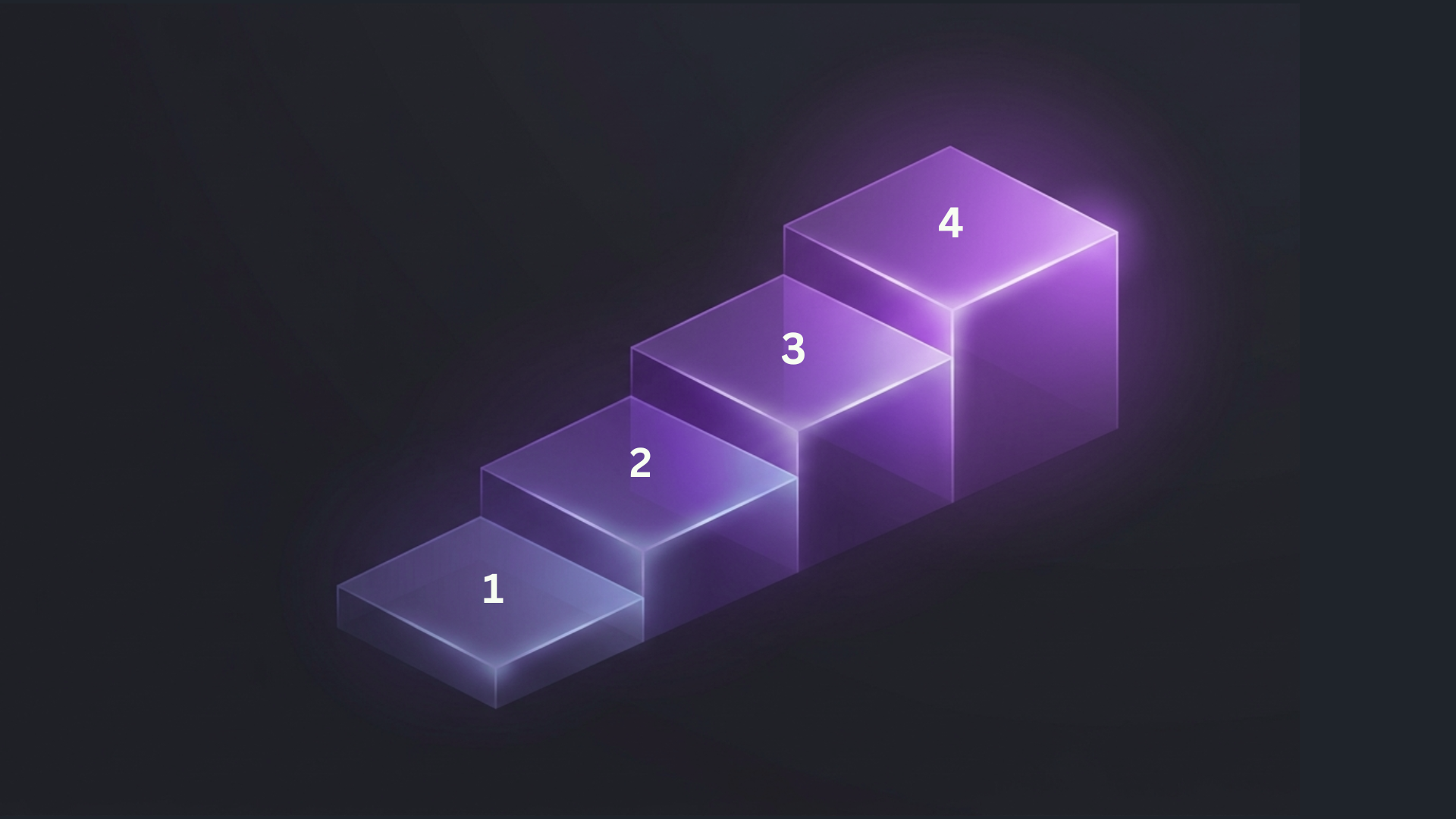
That's the problem we built the Visibility-First Framework to solve, and it's not a checklist of extra tactics to bolt on, it's a sequence, four pillars that build on each other in a specific order. We've applied it across very different types of companies, SaaS, manufacturing, professional services, and it holds up across all of them, because the order a buyer actually moves through on the way to a decision doesn't really change by industry. The four sections below walk through those pillars in the order a buyer experiences them, starting with the one most companies skip past without realizing it. The point of this article isn't really to promote our own framework, it's to lay out a clear way to think about how a company should be using content going forward, but we do think these four pillars matter for almost every B2B company right now, and getting even part of this in place over the next year is likely to decide who wins the opportunities still up for grabs.
Foundation: becoming discoverable before anyone searches your name
Buyers increasingly start with an AI tool rather than Google or a colleague's recommendation. They ask ChatGPT, Gemini, Claude, or Perplexity which vendors to look at, and get a shortlist back in seconds. If you're not showing up in those answers, you're invisible before the conversation ever starts, and no amount of activity further down the funnel fixes that.
Getting found starts with understanding what your buyers are actually asking these tools and search engines in your category, since most companies are guessing at this rather than checking. From there it's a matter of writing case studies and pages in a way an AI system can actually read and cite rather than burying the answer three paragraphs in, tightening the technical groundwork so your content gets crawled and indexed properly, and building a real presence on the third-party sites both buyers and AI models already trust more than a company's own website. None of this is optional groundwork. It's the layer everything else in the framework stands on.
Amplify: what happens after the AI shortlist
Once a buyer has a shortlist, they usually check LinkedIn first. They look at who actually runs the company, what those people post about, and whether anyone in their own network has engaged with them. A company page on its own rarely carries that weight. It has to come from real people posting real thinking, consistently, not a quarterly update dressed up as insight.
This is where an executive's own presence starts doing real work, turning a single case study into a week's worth of things worth saying rather than a PDF that sits unopened, and showing up in the specific communities buyers already spend time in instead of broadcasting into the void. None of it needs to be complicated. It just needs to be consistent enough that your team can keep it running without it turning into a chore nobody has time for.
Nurture: the one channel nobody can take away from you
Email still works. It just doesn't work the way most companies use it. Sent to a cold list, it gets ignored, same as it always has. Sent to people who found you through Foundation and Amplify, people who already have some context on who you are, the response looks completely different.
The sequences that actually convert follow up with people who've engaged with something specific rather than blasting a generic list, and a newsletter people open because it teaches them something rather than pitching them something. Getting the segmentation right so the message matches where someone actually is matters more than the platform you're sending it from, and so does watching which emails are turning into real conversations rather than just tracking opens for a report nobody reads.
Accelerate: paid as a multiplier, not a starting point
We say this to nearly every client in the first conversation: paid is a multiplier, not a starting point. When the first three phases are already working, a paid budget goes toward people who already have context on you, retargeting visitors who've read your content, bidding on the searches people run once they're actually ready to buy, and running LinkedIn campaigns against the exact companies and titles worth reaching.
Spend the same budget before that foundation exists and it does something different. It sends people who've never heard of you to a site that gives them no reason to trust you, and a click that would have converted after Foundation and Amplify did their job just bounces instead.
We diagnose before we recommend anything
Most of the companies we talk to are already doing some version of all four phases. The problem is rarely that nothing's happening, it's the sequencing. Before we recommend anything, we spend time understanding exactly where a company sits in this chain and what's actually holding the rest of it back. That conversation usually surfaces one specific thing that, once fixed, makes everything downstream work noticeably better.
If you want to know where your own company sits in that sequence, talk to us.
Sources
Forrester, B2B buying journey research (share of a deal decided before the buyer contacts a vendor, cited at approximately 70 percent, up from 57 percent in 2015)
Mikael Lindblom is Co-Founder of ViMi Digital, where he leads strategy and go-to-market for B2B companies across Asia, drawing on more than 15 years in B2B sales and business development.